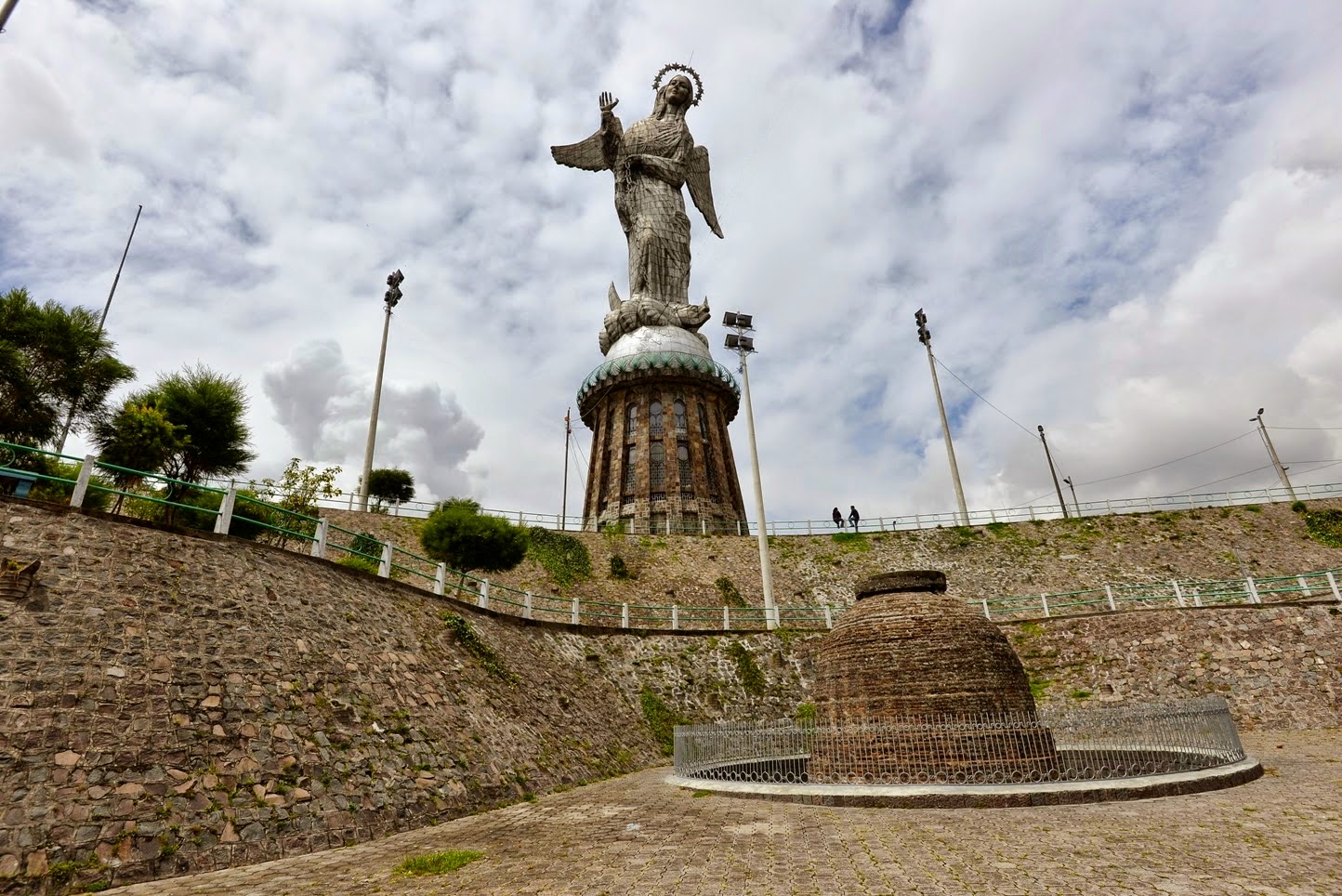
El Panecillo (Quito) – located south of the city, this 200-meter high volcanic hill overlooking Quito’s Old Town has a statue of the Virgin Mary at it summit (which is reminiscent of the Christ the Redeemer statue at Rio de Janeiro, Brazil). The Virgin Mary statue is 45 meters tall and is made of over […]

Basílica del Voto Nacional (Carchi 122, Quito) – this double-spired Gothic cathedral (built in 1920) is located in the historic center of Quito, and is said to be the largest such structure in the Western Hemisphere. Modeled on Paris’ Notre-Dame, the gargoyles used here are actually wildlife found in Ecuador: pumas, monkeys, penguins, tortoises, and […]
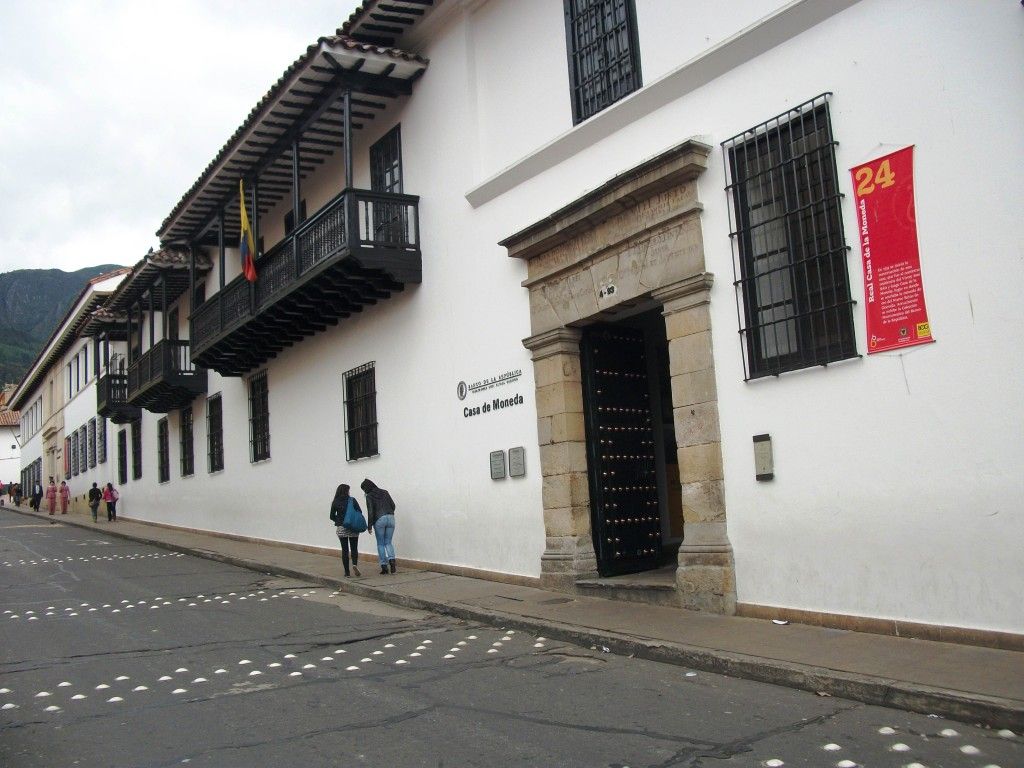
Casa de la Moneda de Colombia (Calle 11 #93 esq. Carrera 5,Bogota) – this museum has a collection of the country’s currency from various periods. This building originally acted as the country’s mint – going as far back as 1621. Looking at both the currency and coins shown here gives visitors a window into Colombia’s […]
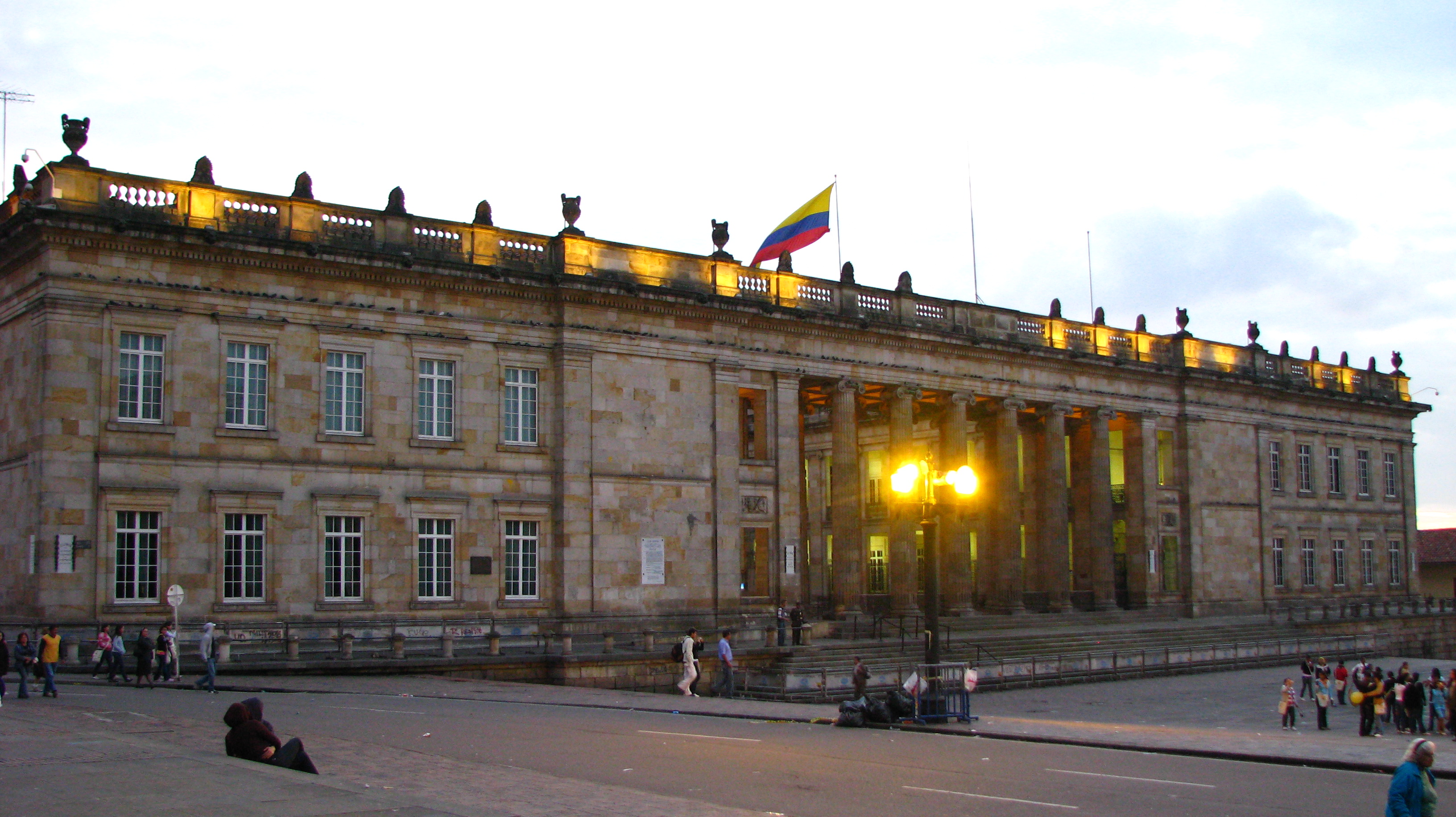
Capitolio Nacional (Calle 10 esq. Carrera 7, Bogotá) – this is the location of the Colombian government’s legislative branch. This building was originally the Viceroy’s Palace during the Spanish colonial period, and went through periods of renovations from 1846 to 1926. Danish architect Thomas Reed was responsible for the Capitolio’s distinctive façade (consisting of 18 […]
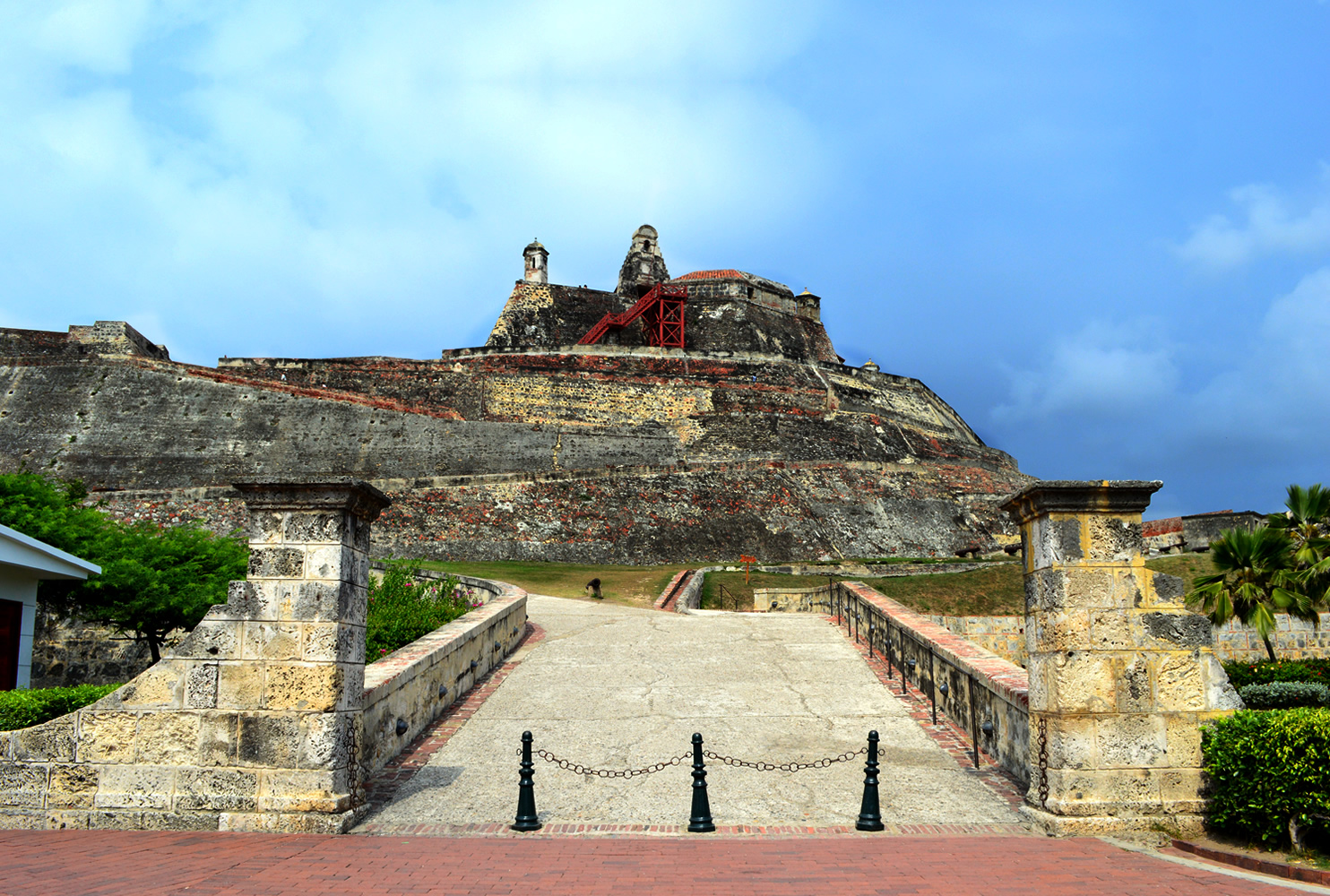
Castillo San Felipe de Barajas (Av. Arévalo, Cartagena) – named after Spain’s King Felipe IV, this castle was built in 1536 during the early part of Colombia’s Spanish colonial period. (designed to defend both the port and city of Cartagena). Because of the valuable cargo that came through Cartagena to Spain (ranging from silver, to […]
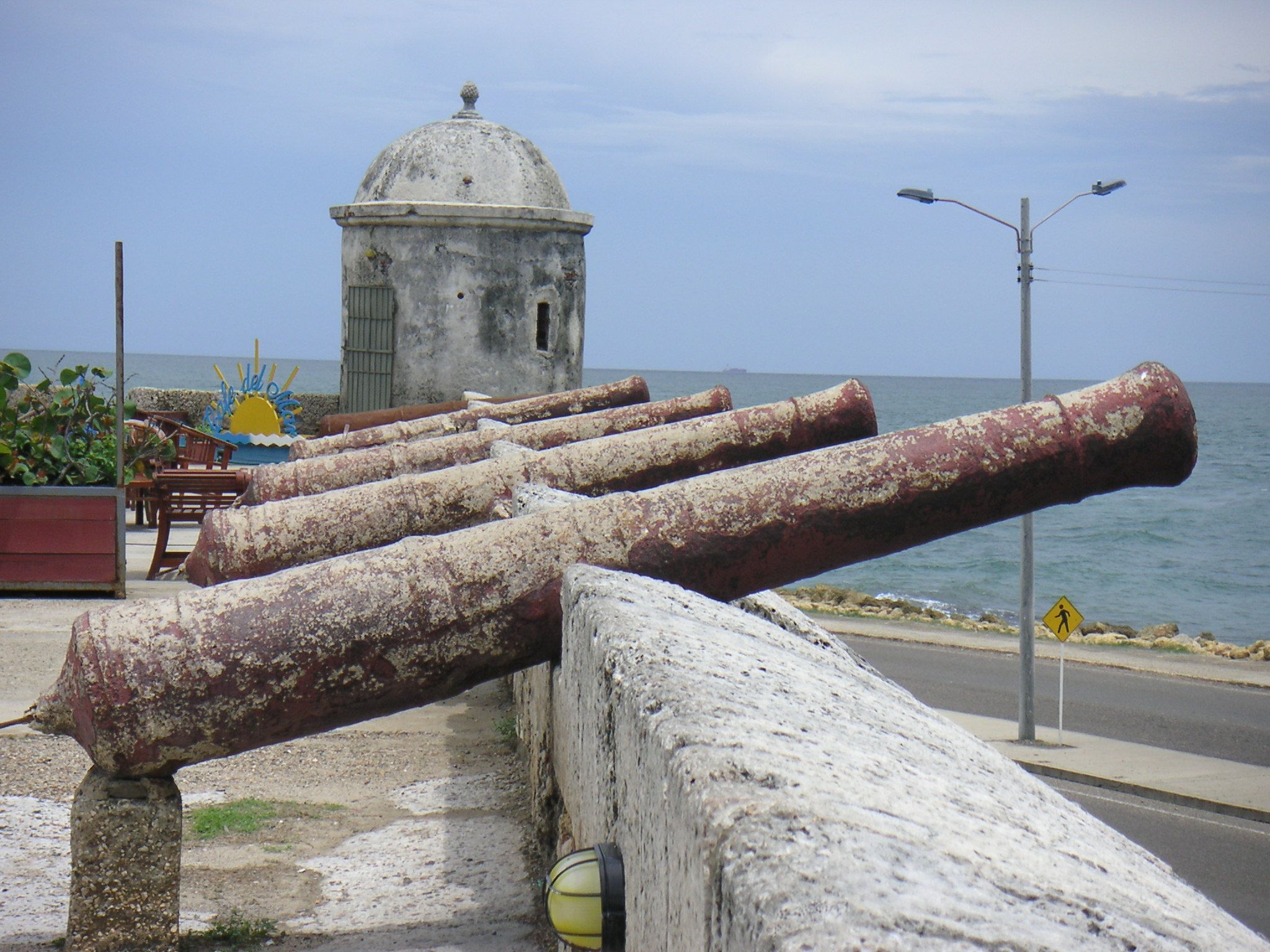
Centro Amurallado – Old Town (Calle 41, Cartagena) – this is the walled-in colonial section of Cartagena (in some ways reminiscent of Old San Juan, Puerto Rico). Unlike the rest of Cartagena, the colonial section is far more tourist-friendly, and contains colorful homes, quaint shops, unique shopping, old cathedrals, and a more inviting vibe. It’s […]
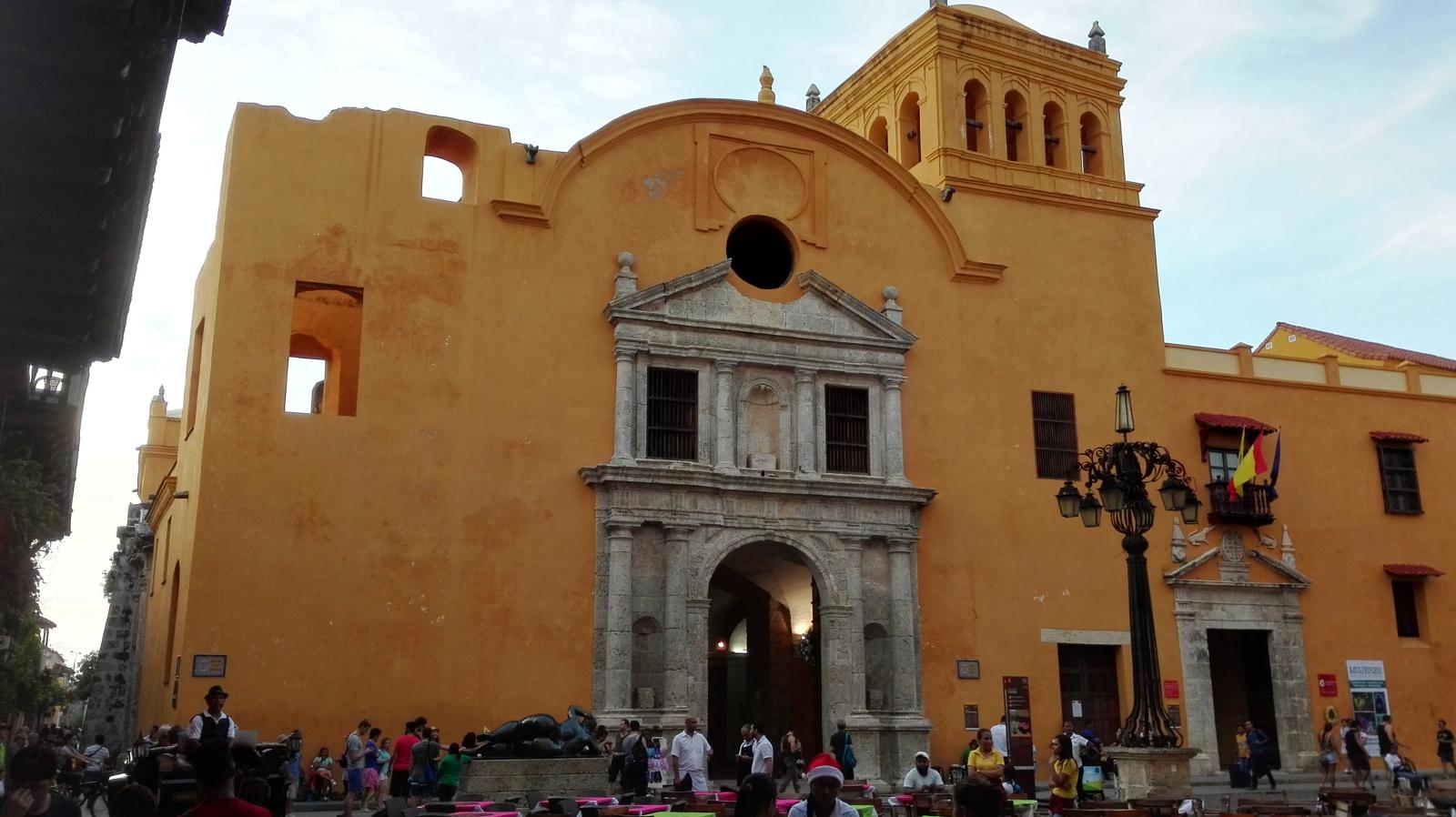
Iglesia de Santo Domingo (Plaza de Santo Domingo, Cartagena) – originally built at Cartagena’s Plaza de los Coches in 1539 (which was burnt later and rebuilt at its present location), this is reputedly the oldest church in the city. This is considered one of the most beautiful churches in Cartagena. Inside it one can find […]
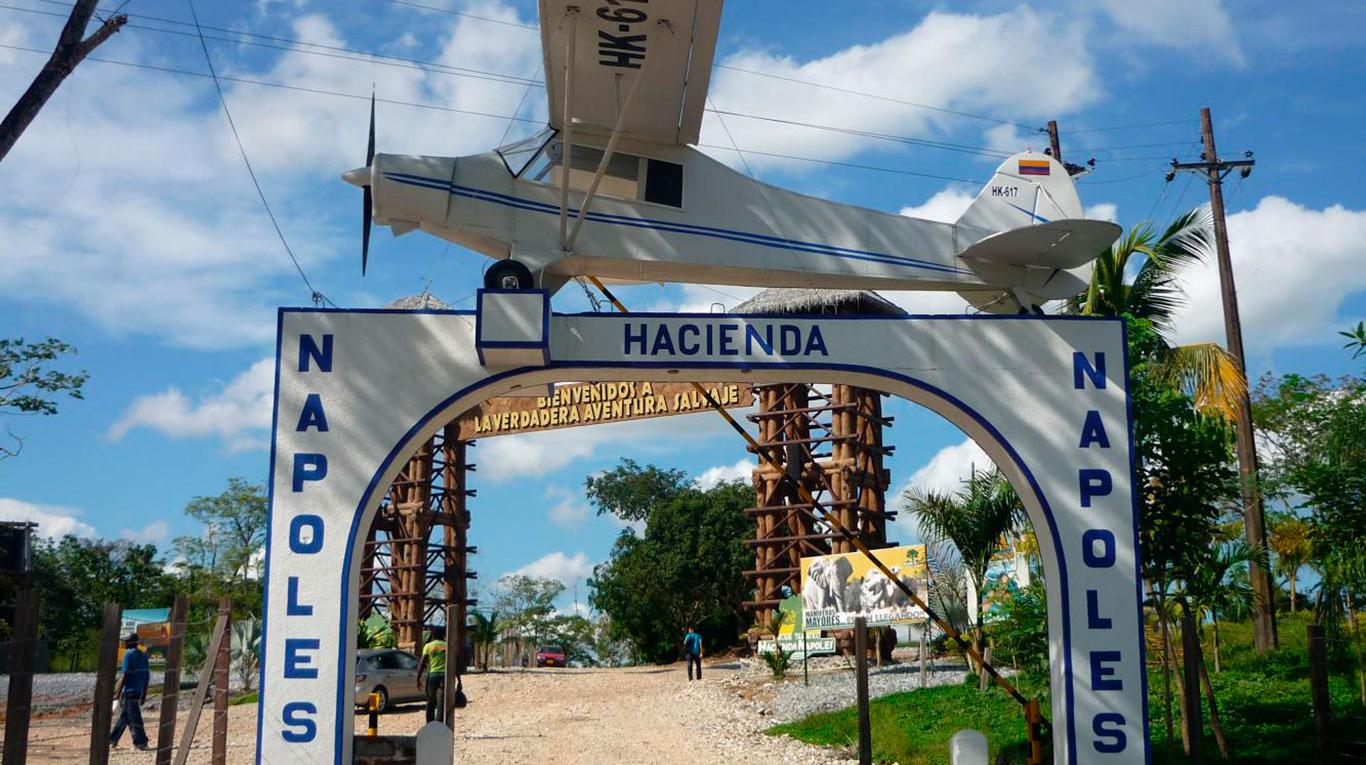
Hacienda Nápoles (Puerto Triunfo, Antioquia) – for those fascinated with Colombia’s infamous history as being a one-time epicenter of the international narcotics trade, this is a ‘must see” destination: the former residence of notorious drug lord Pablo Escobar (who once headed the Medellín Cartel). Located six hours (via car) northwest of Bogotá, this estate’s entrance […]
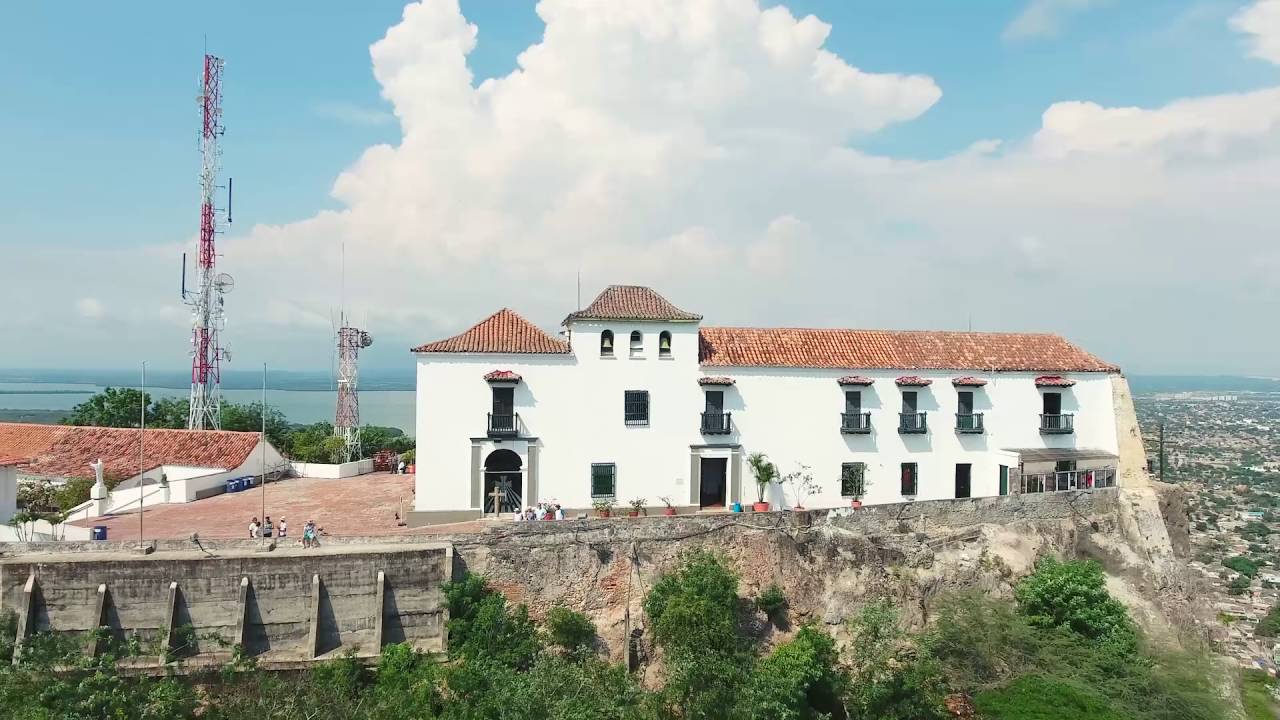
Convento de la Popa (Calle 37, Cartagena) – this convent is located at a rather dramatic spot: at the highest point of the city of Cartagena (150 meters above sea level). Founded by Augustine priests in 1607, its official name is Convento de Nuestra Señora de la Candelaria. It has one of the most beautiful […]
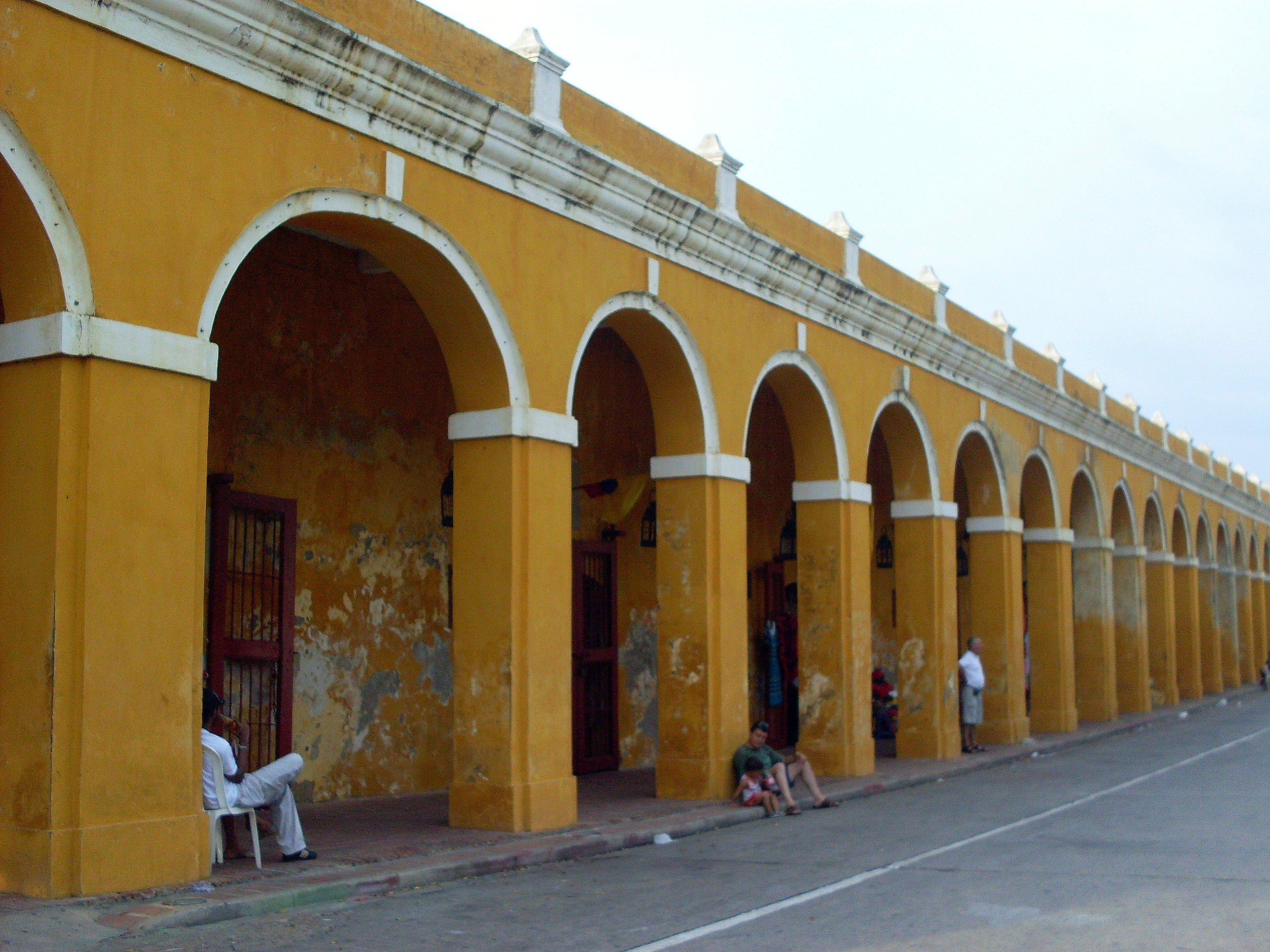
Las Bovedas (Calle Zerrezuela, Cartagena) – originally built as a network of 23 dungeons (within 15-meter thick city walls) during the Spanish colonial period (18th century), this structure (which once stored munitions and provisions) now house touristy craft and souvenir shops. This has become a popular stop for cruise ship tourists.