
Museu da Inconfidência (Praça Tiradentes 139, Centro Historico, Ouro Preto, Minas Gerais) — the Museu da Inconfidência (Inconfidence Museum) is set inside a well-preserved former jail built between 1784 and 1854, with pale stone walls and arched windows sitting against a painted white facade. It’s one of Ouro Preto’s best examples of civil colonial architecture. […]
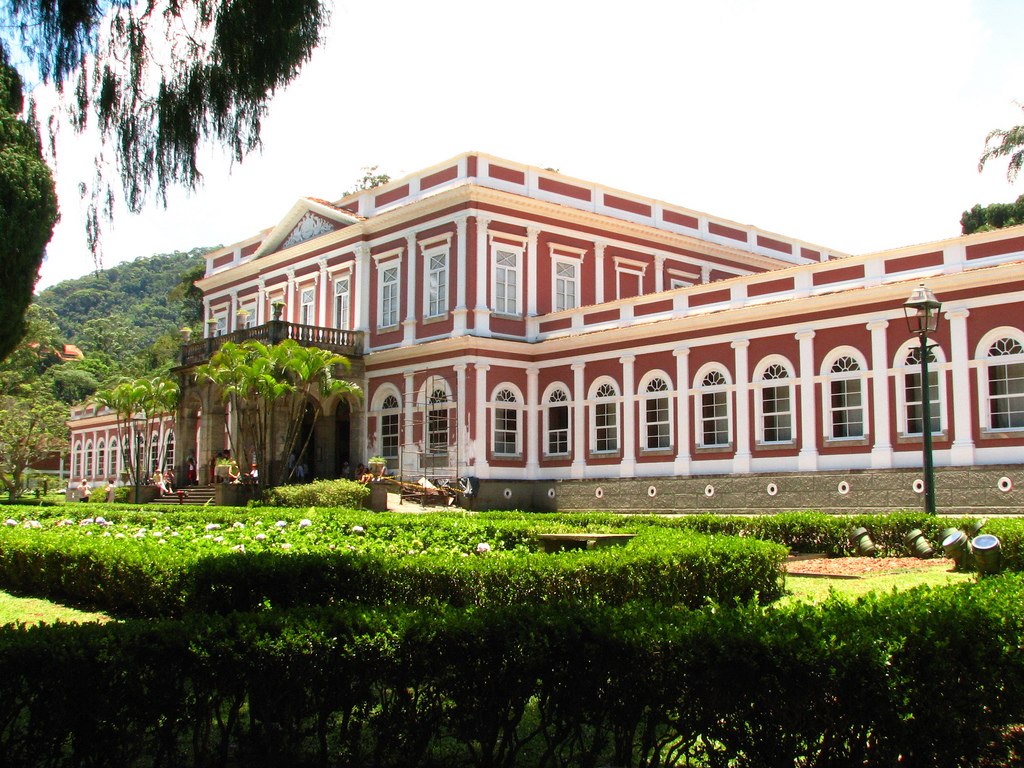
Imperial Museum (Petrópolis, Rio de Janeiro) — With a rich history, Petrópolis was the favorite city of Dom Pedro II, who built a palace that served as summer residence of the imperial family. That palace is now the Imperial Museum. The site has a neoclassical architecture, elegant and simple, perfect for a summer house. With […]
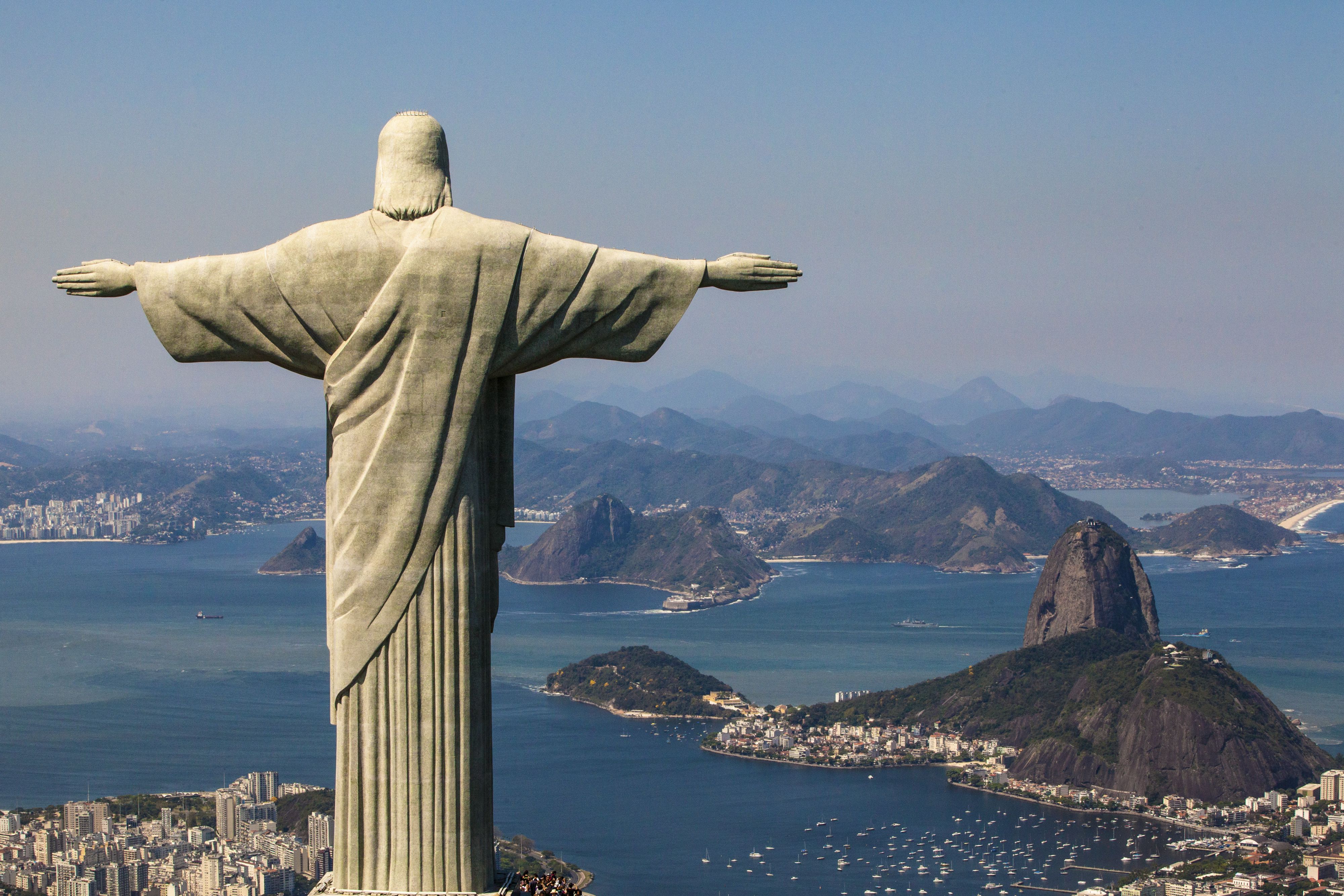
Christ the Redeemer Statue (Parque Nacional da Tijuca, Alto da Boa Vista, Rio de Janeiro) – Considered one of the Seven Wonders of the Modern World, Christ the Redeemer is a majestic statue at the Corcovado Hilltop. The monument represents the faith and compassion of cariocas (as those born in Rio are nicknamed) and it […]

Brasília (nation’s capital) – located deep in the country’s interior, the city was founded in 1960 to be the seat for the republic power in Brazil. It’s no accident that many of the government buildings have a futuristic design – their designer was famed Brazilian architect Oscar Niemeyer. Citizens from all regions moved to […]
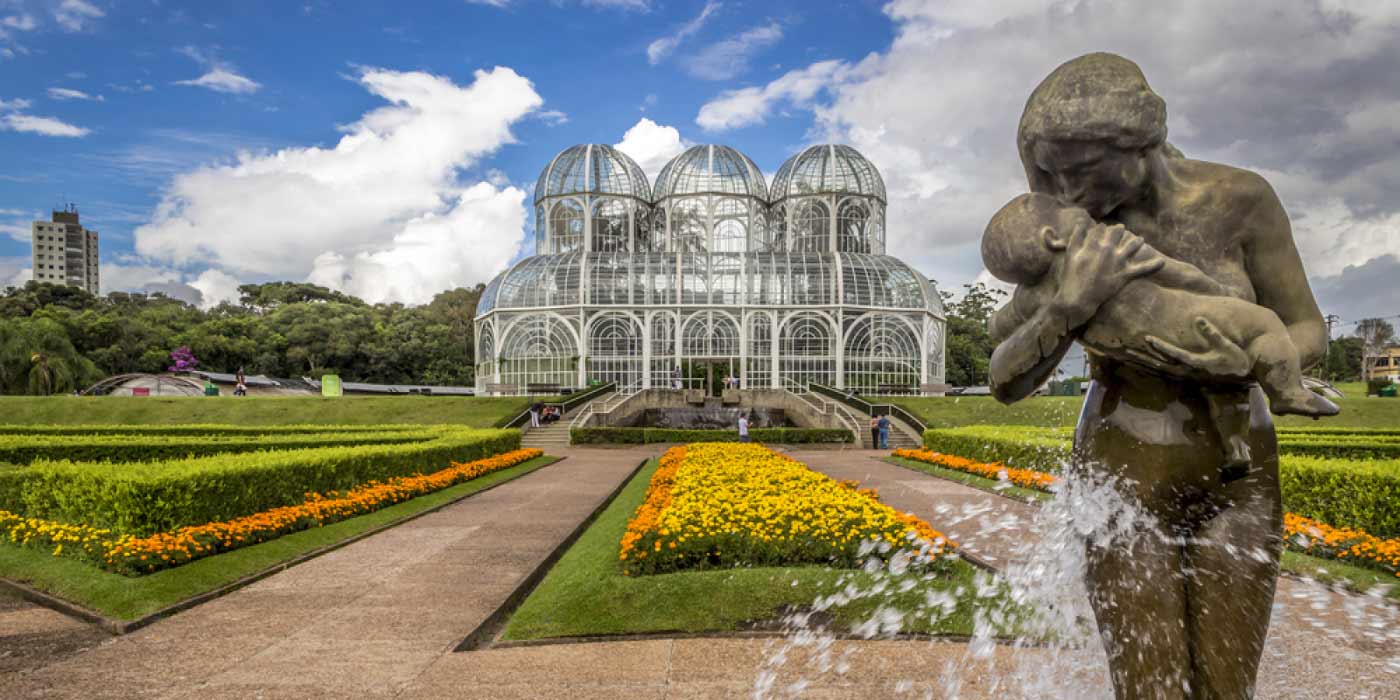
Botanical Garden (Rio de Janeiro) – founded in 1808 by Brazilian monarch João VI, the Botanical Garden is an important touristic side of the city and so much visited by researchers who study the hundreds of species that are there. With total area of 137 hectares, the Botanical Garden houses rare collections of bromeliads and […]
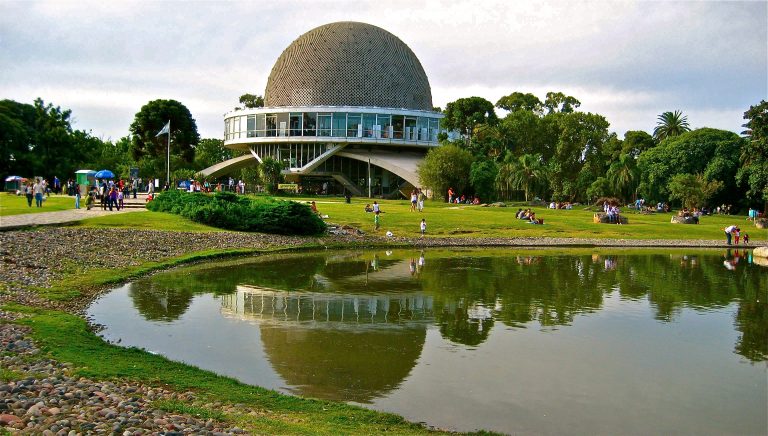
Bosques de Palermo (Buenos Aires) – a.k.a. “Parque Tres de Febrero”, this 400 hectare park is located in the Palermo district of Buenos Aires, and is considered the city’s version of New York’s Central Park. Designed with the help of prominent French landscape designer Carlos Thays, the park was first inaugurated in 1875 and has […]
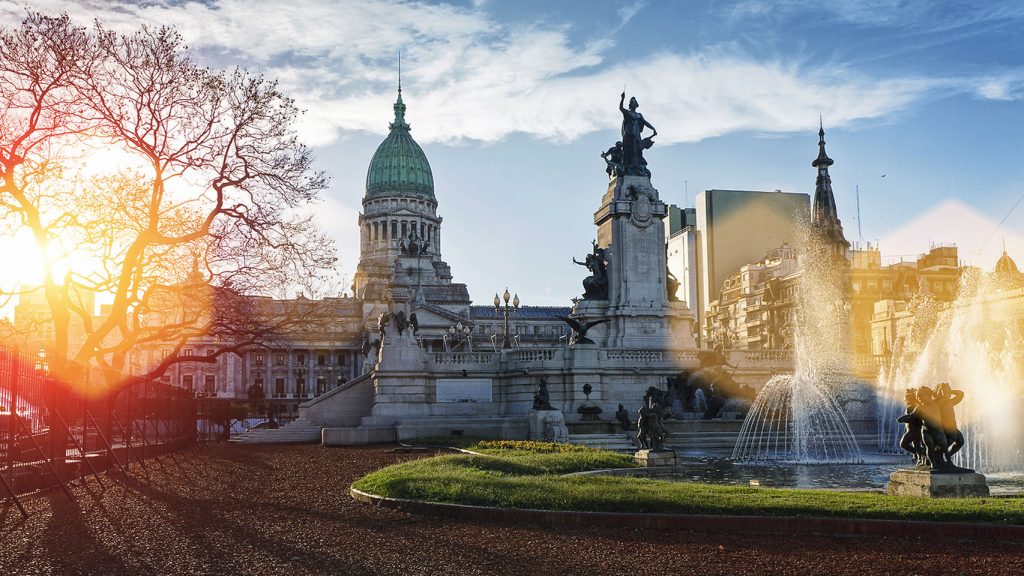
Avenida Corrientes (Av. Callao & Av. Corrientes, Buenos Aires) – this is one of the most important thoroughfares in the city of Buenos Aires. Stretching some 8.6km from Puerto Madero up to Chacarita, Avenida Corrientes got its current name in 1822 in homage to the province of Corrientes, which was the first to support the […]
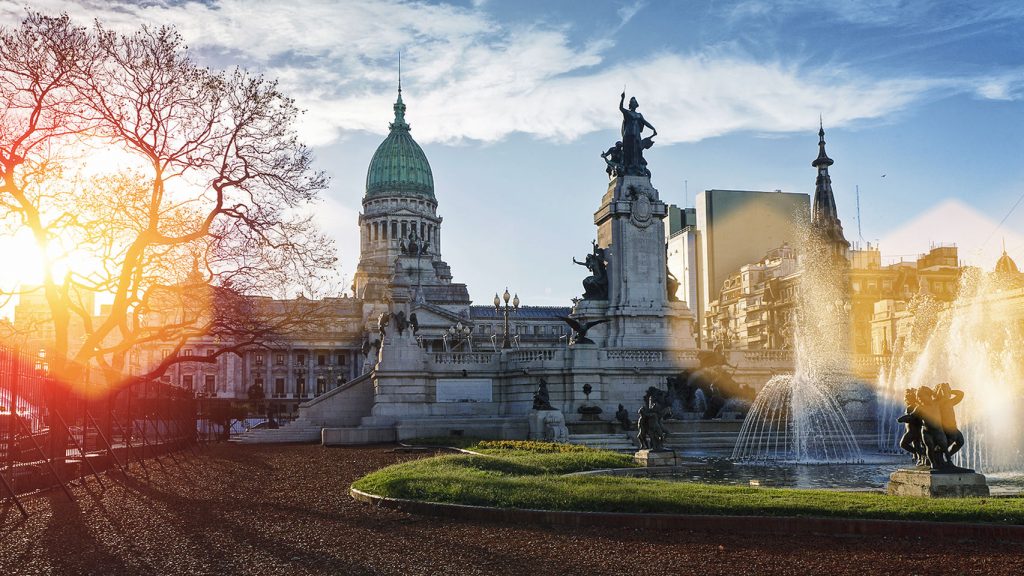
Avenida de Mayo (downtown Buenos Aires)— this is the central avenue in the city of Buenos Aires. The street connects the two main government buildings in the city, the Casa Rosada and Plaza de Mayo with the National Congress and Plaza Congreso. Both sides of the street are lined with tall, decorative buildings with wrought-iron […]
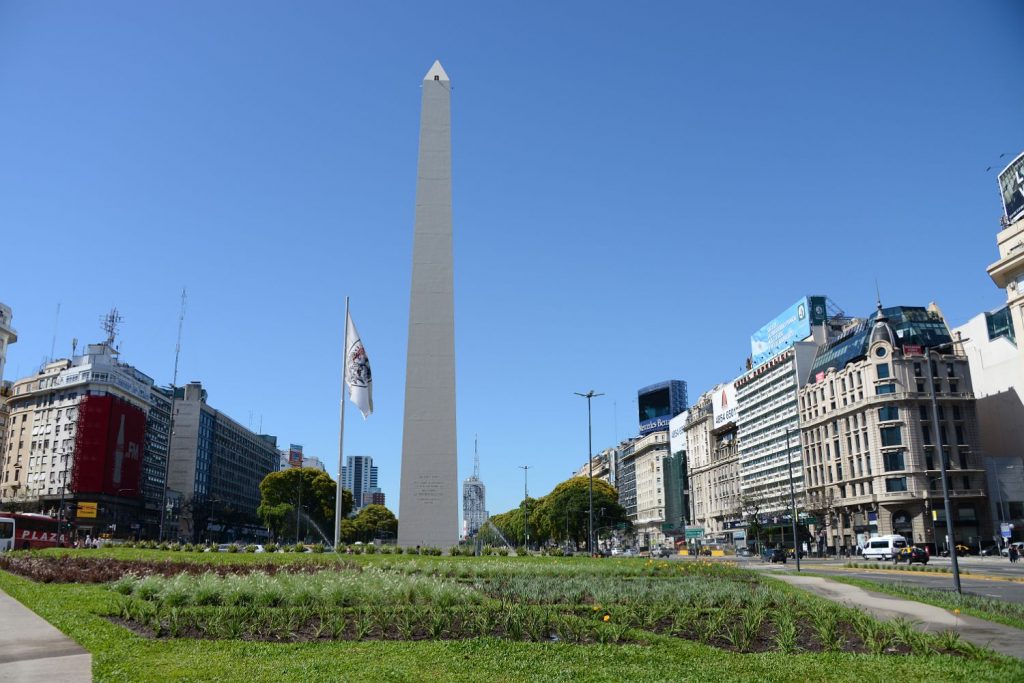
Avenida 9 de Julio and the Obelisk (downtown Buenos Aires) – this multi-lane boulevard is the world’s widest avenue. It’s named after Argentina’s Independence Day (July 9th). The avenue runs from the Retiro district in the north to Constitucion station in the south, roughly one kilometer to the west of the Rio de la Plata […]